
Notebook Binding: Do You Even Care? 🤔
You’ve flipped through countless notebooks, but have you ever stopped to wonder — why do some open buttery smooth while others fight back? Why does one fall apart in a year and another lasts five?
The secret is all in the binding. 📖
Perfect Binding (Glue): The Most Common, the Easiest to Fail 💔
Roughly 80% of notebooks use perfect binding. Stack the pages, trim the edges flush, slather on hot-melt glue, slap on a cover. Done.
Pros: Cheap as chips 💰, covers can be printed with any design. Cons: The glue ages like a cracker — brittle, breakable. Pages start falling out after heavy use. And forget about laying flat — your left hand turns into a permanent clamp, and writing near the spine is pure misery.
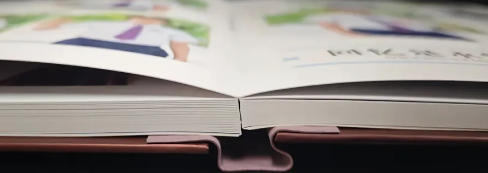
Want better? Meet PUR Binding — it uses polyurethane reactive hot-melt adhesive, with bonding strength 3x that of regular glue. It handles extreme temperatures, resists aging, and opens nearly 180° flat. Costs 30–50% more, but the notebook lasts three extra years. Worth it? You decide. 🔧
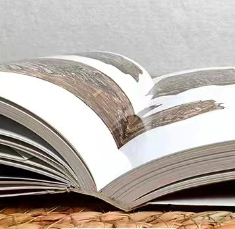
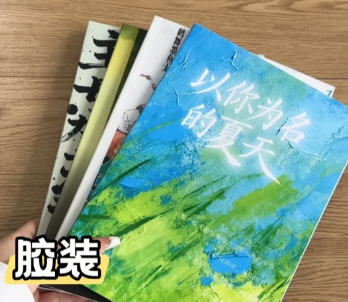 vs
vs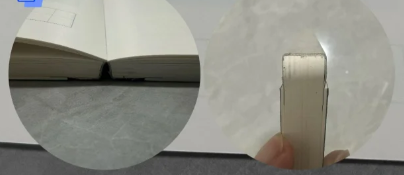
Thread Sewing: Ancient Wisdom, Still Unbeaten 🧵
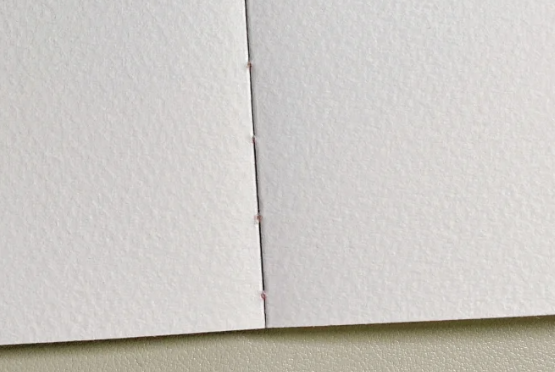
Smyth-sewn binding works like this: pages are grouped into “signatures,” each stitched together with cotton thread, then attached to the cover.
Its only real downside is the price.
Everything else is a win: full 180° lay-flat, zero dead zones for cross-page writing, and it won’t shed a page after a decade. Museums are full of centuries-old books still intact — same technique. 🏛️
Quick rule of thumb: if a notebook costs over $12, it’s probably sewn. Under $5, almost certainly glued. The middle ground might use saddle stitching (staples through the fold — fine for under 30 pages, cheap, but staples rust). 🔩
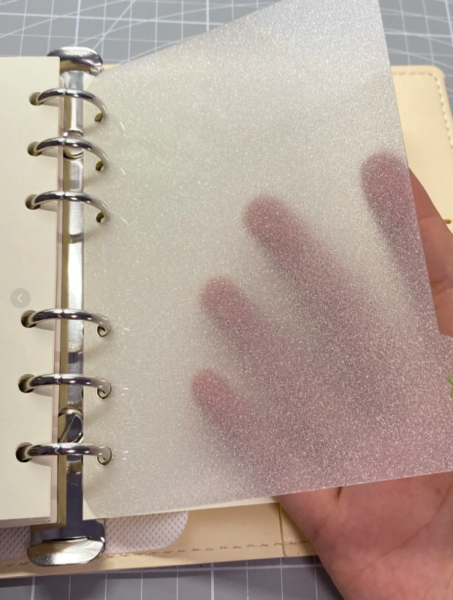
Loose-Leaf / Ring Binder: Maximum Freedom, Maximum Annoyance 📎
The logic: punch holes, clamp with metal rings, add or remove pages whenever you want.
For students and business folks, it’s a lifesaver — swap out mistake pages, reorganize meeting notes on the fly, archive by category. Lay-flat performance is solid. 📋
But the trade-offs are real: holes eat into your writing space near the edge; metal rings dig into your hand and laptop inside a bag; and once the rings deform, pages fly off faster than glue-bound books. 🫠
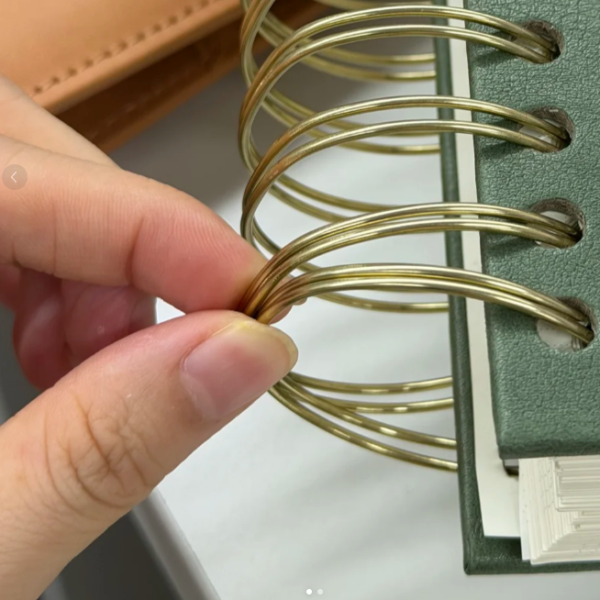
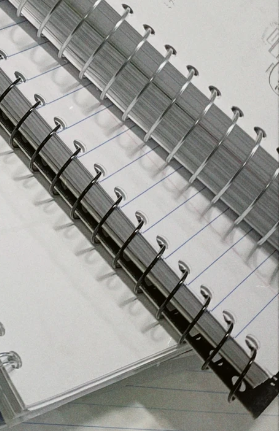
Spiral / Wire-O: 360° Flip, Feels Like a Spring Bed 🌀
Wire-O (twin-loop) uses two parallel metal loops punched through the pages — far sturdier than single spiral. The headline feature: full 360° fold-back. Flip it completely over, hold it one-handed, write anywhere.
The downside: loops snag on clothes, cables, anything in your bag. They can subtly deform over time, letting pages slide. Wire-O lasts 50%+ longer than single spiral, but costs double. 💸
Exposed Spine & Hardcover: Two Extremes of Aesthetics 🎨
Exposed spine binding — no cover wrap, the sewn spine left naked. Artsy, gorgeous, a desk ornament in its own right. But no water resistance, no dust protection, no impact defense. 🖼️
Hardcover binding — a rigid case wrapped around the block, with reinforced spine. Supreme protection, feels substantial in hand. But it’s heavy enough to make you think twice about carrying it. 📚 If the inner block is sewn, lay-flat is perfect; if it’s glued, it’s just a glue-bound notebook in a fancy suit. 👔
ne-Line Picker 🎯
Your Need Pick This
Scribble and toss Perfect Binding 🗑️
Budget-friendly longevity PUR Binding 💪
Heavy daily writing, keep forever Thread Sewing 🧵
Frequent page swaps Loose-Leaf 📎
Easy flip, quick notes Wire-O 🌀
Gift-worthy looks Exposed Spine or Hardcover 🎁
